Running from Hopeless

I think we put too little emphasis on hope.

We talk a great deal about happiness, as though it were a destination with reasonably priced parking. We pursue it, measure it, write books about it, and occasionally suspect that everyone else has found it without thinking to send us the address.

But hope gets rather less attention. It tends to stand quietly in the background while happiness poses for photographs.

Having occupied a fair assortment of emotional territories—joy, sorrow, depression, anxiety, and those peculiar stretches when you are technically fine but would prefer not to answer any follow-up questions—I have come to think we may have this backward.

Happiness is wonderful. I recommend it whenever available. But hope is what you reach for when happiness is nowhere to be found.

Consider what an astonishing thing it is to have even a little.

You are sitting in a doctor’s office, on a chair that was clearly selected by someone who would never have to sit in it, and you hear the word cancer. After that, much of the conversation seems to take place underwater. There are unfamiliar terms, possible treatments, things to schedule. Then the doctor tells you that, in your case, there is a sixty percent chance of remission.

You hold on to that sentence.

It is not a promise, and you know it. You will have questions later, probably in the car, and then again at three in the morning. But there is a chance that treatment will work. Before you leave, you ask what happens next. You take out your calendar.

Or consider a seed.

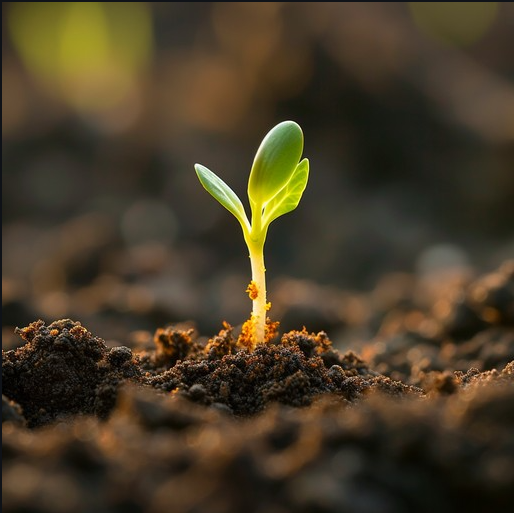
You put a tiny, unpromising object into some dirt and begin supplying it with water, which, described plainly, sounds less like gardening than a small error in judgment. For days, nothing happens. You inspect the dirt. You adjust its position in the sunlight. You inspect it again, in case something substantial has occurred in the previous eleven minutes.

Then, one morning, there is a green stem.

It is barely anything. A little bent thing, carrying a speck of soil on its head. Yet you find yourself leaning over it with ridiculous tenderness. You planted something, and it grew. Now you are thinking about leaves, perhaps flowers, possibly tomatoes, although it would be sensible not to get ahead of yourself.

You get ahead of yourself anyway.

Or you are in a delivery room, and things have gone terribly wrong. There are too many people moving quickly, and no one has time to explain quite enough. You watch their faces. You wait for a sound.

Then your baby cries.

That is all. A cry—and suddenly you can breathe again. There may still be things to worry about, people to consult, a long night ahead. But you have heard your child announce, with considerable indignation, that they are here.

You had not realized how badly you needed to hear someone complain.

And then there is the altogether different business of meeting someone.

Out of all the people going about their lives, buying toothpaste and forgetting passwords, here is one whose company makes you reluctant to go home. They say something interesting. You make them laugh. You discover that you want to know their opinion of things you have never previously required anyone’s opinion about.

You talk on the phone for hours, despite having spent much of your adult life regarding an unexpected phone call as a minor act of aggression.

Afterward, you replay the conversation. You wonder whether they will call again. For the first time in a while, next Thursday seems potentially significant.

What strikes me is how much of our lives we entrust to these small beginnings. We plant things. We agree to treatment. We make room for people we have only just met. We go to bed after a dreadful day and set an alarm.

I don’t mean that hope makes any of this easy. I have been anxious enough, and low enough, to know that a person cannot always summon it on command. Being told to “have hope” can be about as useful as being told to be taller. Sometimes we need someone to sit beside us for a while, without instructions or an improving anecdote.

But when hope does come—even tentatively—it changes what we are able to imagine. We can picture an afternoon when we feel better. A garden in June. Bringing the baby home. A second date that goes well enough to justify a third.

The trouble may still be there. We may still be frightened. Yet we begin to take an interest in what happens next.

I have often thought that if you have hope, you have everything. Perhaps that is too grand a claim. There are days when you also need money, medical care, a decent meal, and someone willing to deal with the insurance company.

Still, I understand what I mean by it. When I have been at my lowest, hope has been the thing that made me willing to try again, even before I felt ready.

Sometimes it has amounted to very little: one encouraging conversation, one better morning, one reason to put my shoes on and leave the house.

But I have come to respect very little.

You can grow quite a lot from a seed.
Running from a Funeral Home

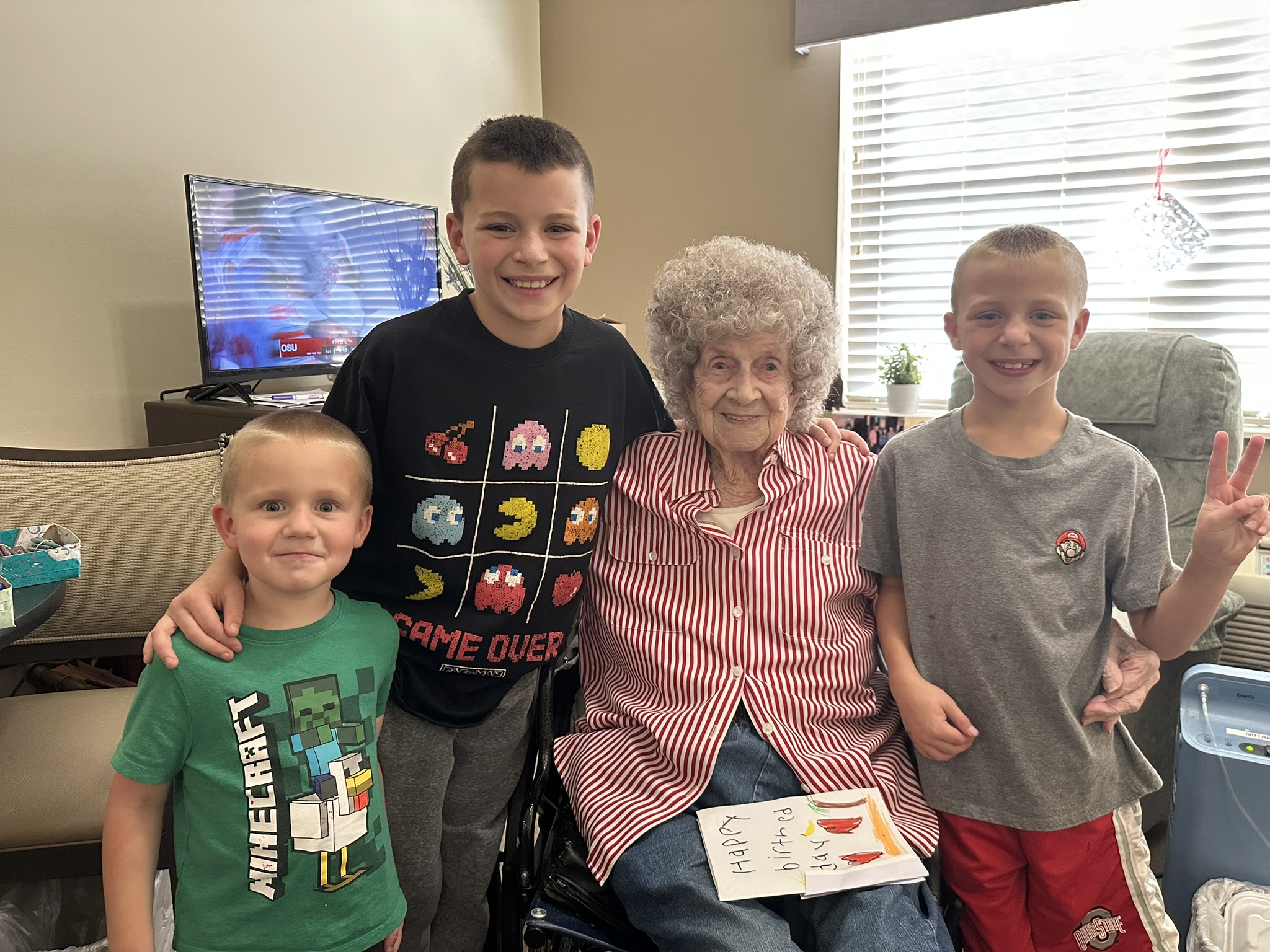
Two weeks ago, I took my kids to visit my grandmother for her 101st birthday.

We brought her favorite things: flowers, pictures the kids had drawn, and a family-sized bag of Cheetos. At 101, I feel you have earned the right to define “family-sized” however you please.

For that afternoon, all was right with the world.

She seemed like herself. She could hear us clearly, knew who I was—although occasionally she thought I was my cousin—and listened while my children supplied a substantial amount of information about Dumplings and Nee-ohs. I cannot tell you whether this information improved her understanding of the modern world. I can tell you she was given plenty of it.

But it was a good visit. We had shown up. She had enjoyed her gifts. We had celebrated another birthday, which, after a certain point, begins to feel less like a milestone and more like a standing arrangement.

That was Saturday.

By the following Friday, she was dead.

And our world, which had seemed perfectly capable of carrying on as usual, was completely rocked.

There is something about a person reaching 101 that makes you quietly stop believing they can die.

You know better, of course. You understand the basic terms of being alive. But someone who has been here for more than a century begins to feel permanent. She was already old when I was young. Then I grew up, had children, and brought them to visit her, and there she still was.

At some point, without realizing it, I had mistaken longevity for permanence.

It didn’t help that she had reached this extraordinary age without making much effort to follow the instructions.

She smoked. She drank instant coffee. She never exercised a day in her life. She died with Cheeto-stained fingers.

If there was a secret to her longevity, she declined to share anything useful with the rest of us. Those of us attempting to drink enough water and occasionally take a walk would apparently have to work it out on our own.

I find enormous comfort in those orange fingers. They are such a small, ridiculous detail, and yet they belong entirely to her. In a week full of things I could barely comprehend, there was something familiar: Grandma had been eating her Cheetos.

The harder part to write is that my grandmother was not an easy person.

I loved her. I have wonderful memories of her. Neither of those statements makes the rest of the story untrue.

Growing up, her house was a place for sleepovers, playtime, and holidays. It was part of the geography of my childhood, one of those places you assume you will always be able to return to, even after you are too old for anyone to arrange a sleepover.

Those memories are real.

So are the things I understood later.

She was a very different mother to each of her three children. My aunt received a kind of coddling that my father never seemed to get. My uncle could inspire enormous pride in her despite behavior I found hard to admire.

And my dad seemed to struggle for the approval she gave so freely elsewhere.

This was a man who earned a degree, devoted himself to his community, and helped raise four self-sufficient, independent children who went out into the world prepared to make lives of their own. There was so much to be proud of. Watching her struggle to acknowledge it was painful.

She disliked my mother, too. Eventually, my mom stayed away. It wasn’t worth the fight, and I understand that decision.

These things don’t fit neatly into a birthday tribute. They fit even less neatly into the things we tend to say after someone dies.

But I don’t want to write about a grandmother who never existed. I want to write about mine.

She could be loving and difficult. She could make a place feel welcoming and make a person feel unwelcome. Different people knew different versions of her, and they weren’t necessarily wrong about the woman they knew.

One of the more unsettling parts of getting older is recognizing yourself in people you once thought you had figured out.

I see a lot of myself in my grandmother.

She seemed to want people around, but also wanted to be left completely alone. I understand this arrangement very well, despite its obvious logistical problems. I would like the people I love nearby. I would also appreciate a stretch of time in which none of them needs to ask me anything.

She liked hobbies and projects. She liked having something to work on. She held firmly to her convictions, which is an admirable quality right up until you are the person trying to change her mind.

People who knew her casually often saw a kind, lovely woman. Those who knew her well had a longer story to tell.

Recognizing those similarities makes me smile, and it makes me pay attention. There are things about her I am glad to carry forward. There are other things I hope to handle differently.

I suspect that is part of what we inherit, too: not just the traits themselves, but the chance to decide what to do with them.

She lived through hell and was still here, 101 years later, to tell us about it.

I don’t want to use that as an excuse for every hurt she caused. But it is part of her story. She was a woman with a century of experiences behind her, many of which I can only understand from a considerable distance.

She was a warrior. She was an innovator in her time. She had convictions, interests, and a stubborn determination to keep going. I admire her for that.

I also wish some things had been different.

I am discovering that grief leaves plenty of room for both.

There are the memories I want to revisit and the ones I still don’t know what to do with. There is gratitude for how long we had her and shock that we don’t have her now. There is the reasonable knowledge that 101 years is an extraordinary life, and the entirely unreasonable feeling that she ought to have stayed a little longer.

Mostly, I keep returning to that Saturday.

The flowers. The pictures. The family-sized bag of Cheetos. My kids talking away while she listened. Her voice on the phone that evening, telling me she had wanted to go to dinner.

It all felt so ordinary.

I’m grateful it did. I’m grateful our last visit was a birthday visit, with gifts she liked and children who had things to tell her. I’m grateful we went.

And I still wish I had known there would not be another one.

For a blog called Running from Everything, this is the part I have no clever way around. I don’t know how to make sense of losing someone who has been part of my life for as long as I’ve had a life.

She was complicated. She was stubborn. She was loved.

She was Grandma.

And I am still trying to understand a world in which she isn’t here.

Running from Illness

It takes a very particular sort of person to care for sick children—someone with the patience of a saint, the reflexes of an emergency-room nurse, and the stomach of a Victorian chimney sweep.

There is the coughing, naturally. There is the whining, which starts as a small, plaintive sound from the upstairs hallway and gradually becomes the background music of your life. And then there is vomit, appearing at the precise moment you have misplaced the one remaining washable blanket and are wearing the only shirt you own that you genuinely like.

No one tells you, when you have multiple children, that illness does not arrive as a family event. It is not a group activity, like bowling or a pleasant trip to the apple orchard. No, each child gets sick independently, on a carefully staggered schedule designed to maximize inconvenience and consume every vacation day you have earned since the Clinton administration.

Child One gets sick on Monday. Child Two, having spent 48 hours licking the same remote control and breathing directly into everyone’s face, begins coughing on Wednesday. By Friday, you are standing in the kitchen holding a thermometer, a bottle of children’s medicine, and what may be a sock, wondering whether you can use a sick day retroactively for your emotional well-being.

And, if you are the mother, there is an additional detail nobody puts in the parenting brochure: sick children generally do not want Dad.

Dad is fine. Dad is nice. Dad may even possess admirable qualities, such as the ability to open jars or find the missing extension cord. But when a child has a fever, a cough, or the vague conviction that their entire life has become unbearable because their nose feels “weird,” they want Mom.

Last night, while I was tending to two sick children—one coughing dramatically and the other requiring the sort of logistical support normally reserved for a small military operation—my husband went fishing.

For three hours.

Fishing is, I suppose, his version of running. Not running as in athletic movement, obviously. More in the sense of fleeing into the wilderness, where no one is asking for ginger ale, a different blanket, or an explanation of why the television is “too loud” when it is not actually on.

Meanwhile, I was running my own race: the Sick-Kid Marathon. There are no medals. No water stations. No encouraging strangers clapping from the sidewalk. Just a never-ending loop between bedrooms, the bathroom, the medicine cabinet, and the laundry room, with occasional obstacles involving tissues, suspicious noises, and somebody yelling, “Mooooom!”

The real danger, however, is still ahead.

Eventually, my husband will get sick.

At that point, I expect he will require a carefully managed recovery environment: low lighting, specific snacks, several blankets, continuous hydration, and perhaps a handwritten note from the governor acknowledging his bravery. He will cough once and look at me as if he has survived the Oregon Trail.

And I will have to be strong.

Because I have already had a stroke, for God’s sake. I do not have the cardiovascular capacity to endure a household respiratory virus and a grown man’s dramatic interpretation of it.

So, for now, I run. I run from germs. I run from laundry. I run from the sound of someone clearing their throat upstairs. And most of all, I run from the inevitable moment when the fishing trip ends, the illness reaches its final victim, and someone asks me where the thermometer is.

Running from Activation

There is a particular kind of morning — you will know it if you have ever had one — when the world seems to have organized itself, quietly and with great cunning, for the sole purpose of annoying you. Today was such a morning. I left the house already vibrating at a slightly higher frequency than usual, the way a kettle does just before it screams, and somewhere in the back of my skull Limp Bizkit began helpfully cycling through “Break Stuff” on an endless loop, as if my subconscious were a jukebox stocked entirely by a furious teenager in 1999.

I should, in fairness, have gone for a run. Running is what I do with feelings I haven’t yet agreed to have. But I hadn’t caught up with my own mood yet — hadn’t been formally introduced to it — until I wandered outside and discovered that the garage door had stood wide open all night, an oversight so small and so blameless that it nevertheless struck me as a personal insult, possibly the worst thing to happen to anyone, anywhere, in recorded history.

Let the record show that I am not, strictly speaking, having a bad day. I suspect I am starting my period, which means I am experiencing a kind of generalized, low-grade fury at everything within range that has the audacity to move — cars, pedestrians, the wind. Every part of me would like to break something. Preferably something inanimate. Then go home and lie very still.

It also happens to be September 11th. Twenty-five years, now, since that morning — a fact that arrives with the particular vertigo of realizing a wound you assumed had closed is, in fact, still an active construction site. I was freshly installed at college that year, on my own for the first time, which is a vulnerable enough state of being without the added flourish of watching your country get attacked on live television. I lived, at the time, a stone’s throw from a tank manufacturing plant in western Ohio — the sort of detail that sounds like exaggeration but is merely geography — and for weeks afterward everyone eyed the mail with real suspicion, and you could not switch on a television without some fresh apocalyptic footage burning itself directly onto your retinas. It was chaos, unfiltered and total, and I don’t believe I have ever entirely put it back together.

Maybe that makes me a baby. Maybe this blog’s title has been quietly diagnosing me all along, and I am, in fact, someone who runs from things — who has always run from things, only without the courtesy of telling myself so. Maybe I need to run more. Faster. Harder. Maybe I simply don’t run enough, and this whole exercise is my body’s way of billing me for the debt.

Either way, I have got to get out of here.

Running from Moms with Muffins

One of the more delightful side effects of having a child in preschool is the parade of parent interactions that comes with it. With the first child, you behave as though you are sending a tiny diplomat into the world: every item is selected with care, from backpack to water bottle to the outfit, and you attend school events with the grave pride of someone seeing a son off to war. By the third child, the standard has slipped somewhat. At that point, success means getting the child to school alive, more or less upright, and with pants on.

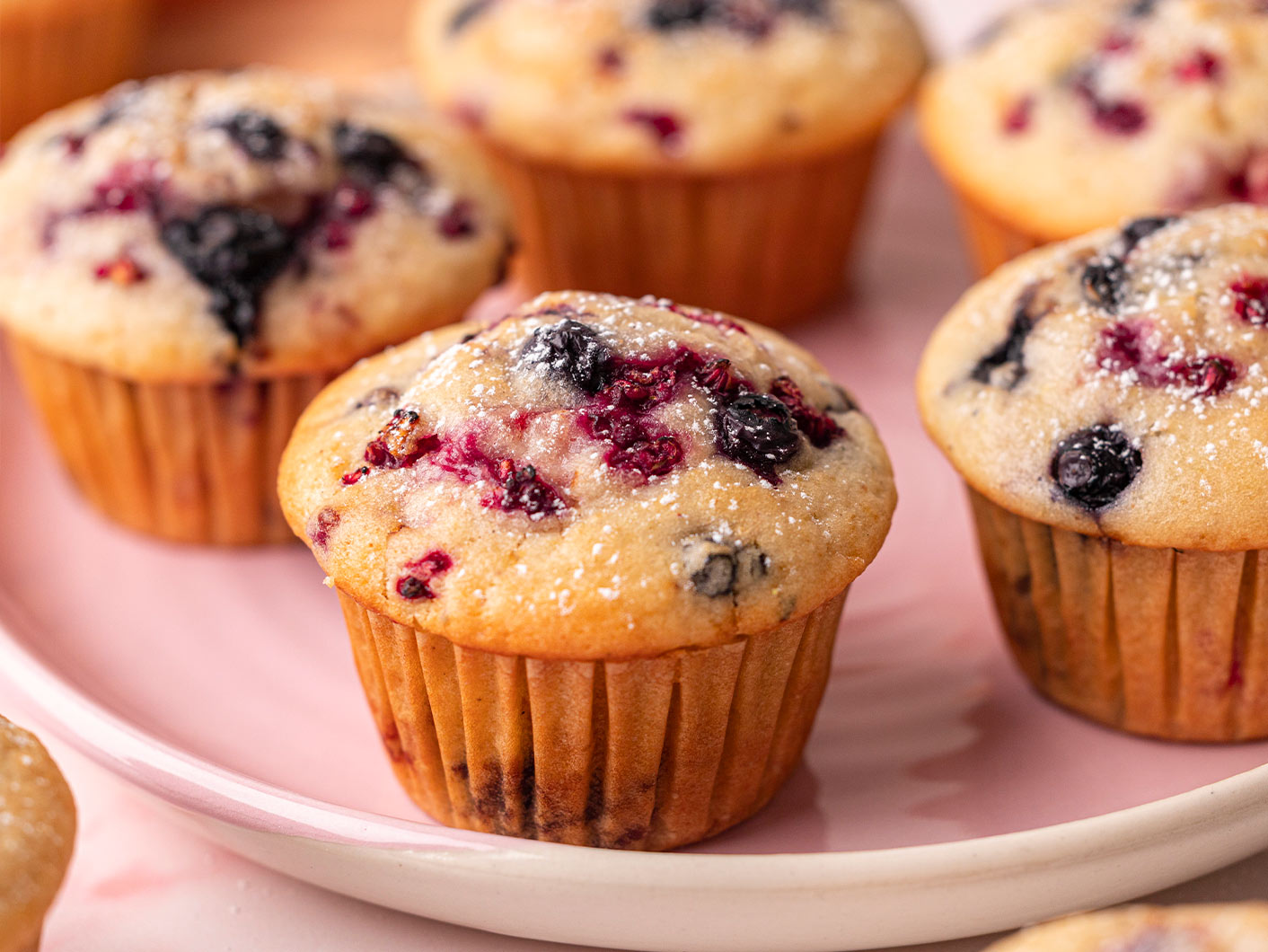
So when the notes came home announcing Dads with Donuts and Moms with Muffins, my reaction was less delight than a sort of weary administrative sigh. My husband’s work schedule ruled out the fatherly doughnut contingency. My dad declined as well, which meant the event was quietly promoted, in the way these things often are, to Grandmas with Donuts — much to my four-year-old’s disappointment, though children are nothing if not adaptable when faced with baked goods.

By the time Moms with Muffins rolled around, I felt duty-bound to appear and make up for the male shortage in my family tree. I should say we adore Wynn, but there are only so many pine cone bird feeders a person can assemble before one begins to feel less like a nurturing parent and more like an overtrained assembly-line worker with glue on her sleeves. Besides, I was by far the oldest mother there, which is not so much a social scene as a reminder that I arrived at motherhood by the scenic route. One suspects this may explain why my child runs everywhere, all the time, as though permanently late for a race nobody else knew had started.

Still, there was the muffin. One must be grateful for small mercies. There were also the rotating activity stations, which had the unfortunate effect of requiring actual conversation with other adults — an ordeal I generally try to avoid unless absolutely necessary. Wynn, being a very touchy child, spent the morning clinging, draping, pressing, and generally distributing himself over me like a small and determined octopus. By the end, I was not only thoroughly touched out, but decorated with snot as well, which is really the sort of finish that preschool parent events ought to warn you about in advance.

Moral of the story: all the kids matter, and at this point, sacrificing my own happiness for theirs is practically second nature — especially if there’s a pastry involved.

Running from Daniel Boone

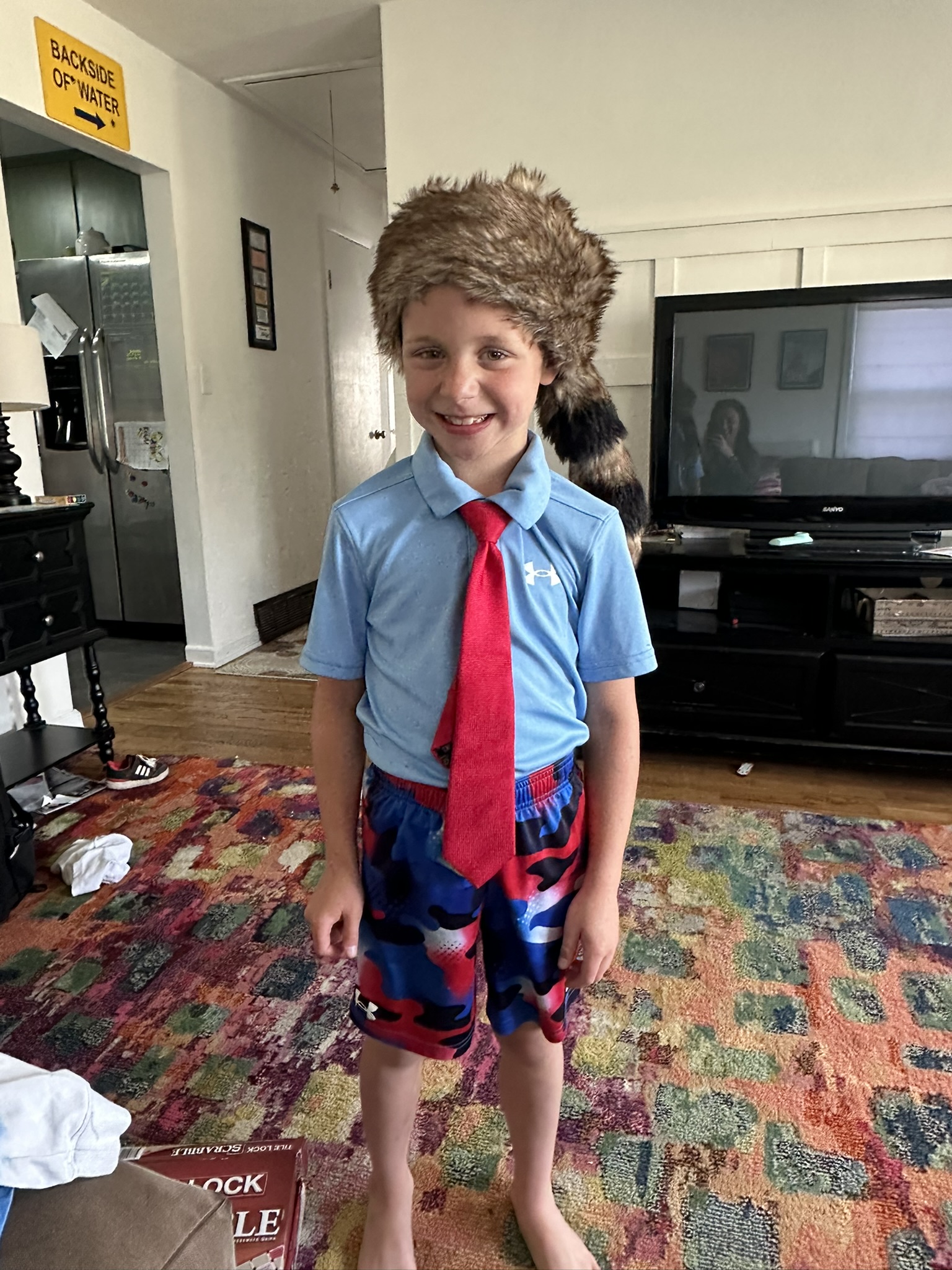
Last night, my 8-year-old had a music program at school, which is the sort of event that reminds me parenting is mostly just a series of logistical challenges disguised as memories. The theme was American Heroes and Legends, and this, naturally, was my favorite part of the entire evening: letting my son choose his own outfit.

He understood the assignment. He knew he needed to look patriotic, but apparently, he also wanted to look like a young gentleman with somewhere important to be. So out he came in a short-sleeve blue polo shirt, red, white, and blue camo athletic shorts, a red tie that zipped around his neck, and a coon skin cap. I did not interfere. Some battles are worth fighting. This was not one of them. Besides, there is a special joy in watching a room full of people smile when they see his little face, especially with the tail of that hat bouncing behind him like it had its own agenda.

School programs, though, are a different matter entirely. I love seeing my kid do his thing, but the rest of it is pure endurance training. There is far too much peopling involved. You have to arrive early enough to secure a decent seat, which is difficult when you are also trying to wrangle siblings, coats, nerves, and the vague feeling that you may have already forgotten something essential. And dragging younger children along is its own special kind of suffering. By the time my son was on stage performing his “number,” the four-year-old announced that he had to poop. I informed him, with the confidence of a woman who had no intention of leaving her seat, that he did not. We remained exactly where we were and watched the show in its entirety.

The four-year-old is an odd little fellow in the best and most exhausting way. He seems to believe that leaving the house without a fully stocked supply pack is somehow reckless. Last night, he insisted on bringing a backpack stuffed with a blanket, a stuffed chicken jockey from Minecraft, a small telescope, a plastic hammer, and a bottle of water. I admire the man has a system. I do not, however, admire the part where I eventually have to unpack it all. Every pouch, pocket, and mysterious side compartment becomes my problem in the end.

A mother’s work is never done. Or, if it is, it certainly hasn’t happened in my house yet.

Running from Scorpion Lollipops

In the grand, chaotic theater of parenthood—particularly the boy-mom variety—one becomes accustomed to questions that arrive like uninvited guests at a marathon runner’s post-race buffet: sudden, breathless, and utterly baffling. I was lacing up my running shoes the other day, pondering the simple poetry of pounding pavement, when my youngest burst in, eyes wide as a startled deer’s: “Mom, are scorpion lollipops a good source of protein?” I blinked, mid-stretch, and managed, “You don’t even know what protein is,” at which point he bolted from the room, joyous and carefree as a kid who’s just discovered the turbo boost on life to ask Alexa the same question.

So much of my existence now orbits these interstellar queries, the kind that make a sensible adult pause, much like catching your breath after a grueling hill sprint. To prove the point, consider the interrogations lobbed my way this week alone: Why did the butt go to the doctor? (Presumably for a check-up on its cheeky disposition.) Are the clouds made of cotton candy or just water? (A meteorological dessert, I assured him, but only on Tuesdays.) If I read for eight hours straight, will I turn into an old man? (Only if you skip leg day, I countered.) How many socks do you reckon I can cram onto my head? (Enough to start a laundromat uprising.) What if I skateboarded right over the pizza? (It’d be a supreme topping redistribution exercise.)

I could rattle on—these volleys are endless, like miles unspooling beneath a runner’s steady stride—but I’d spare you the exasperation, that familiar parental cocktail of whimsy and weariness. Part of me adores the sheer, untethered invention of it all, the way their minds gallop free like colts in an open field. Another part yearns to explode, a pressure buildup worthy of a marathoner’s final kick, undone by the gleeful absence of logic. Yet it’s the essence of raising boys: embracing the absurd, answering the unanswerable with a dash of nonsense. It’s rather fun, in truth, concocting replies on the fly—like telling them axolotls only whisper secrets to their mothers. That one circled back to bite me square in the posterior (not the doctor-visiting variety, mind you) when I overheard my son solemnly informing his brother of this “fact,” igniting World War IV in the living room, complete with flying cushions and tactical shrieks.

Therein lies the rub, or perhaps the blister after a long run: these fanciful fictions foster delight but demand vigilance. Still, in the panting aftermath of such skirmishes, I find myself grinning. Parenting boys is less a straight-line race than a trail run—full of unexpected switchbacks, mud puddles of madness, and the occasional scorpion-lollipop curveball that leaves you fitter, faster, and forever questioning your own grip on reality.

Running from Math Teachers

Being a mom, I’ve decided, is a lot like signing up for an ultramarathon you don’t remember registering for, on a course no one has accurately mapped, with an elevation chart drawn by a drunk cartographer.

There are moments when the sun hits just right, the road opens up, and you think, “This. This is why people do this.” And then, about three minutes later, you’re in a ditch, tying your shoe with one hand while trying not to cry into your Gatorade.

That’s motherhood for me.

I love it. I hate it. Simultaneously. In the same way I love and hate mile 17 of a long run—far enough in that you can’t turn back, not far enough that you can see the finish line, fully committed and questioning every life choice that led you here.

Here’s the part people get weird about: if I had to choose motherhood again, I wouldn’t. There, I said it. Not because I don’t adore my kids—because I do. Fiercely. If it came down to it, I would step in front of anything for them, no hesitation. I show up for them, I take care of them, I push for what they need. They are, without question, the most important part of my life.

But if we’re talking about some cosmic do-over button? Knowing what I know now about sleep deprivation, emotional whiplash, and the sheer volume of sticky surfaces? I’m not sure I’d sign up for this particular race again.

And yet, here I am—bib pinned on, shoes laced, in it for the long game.

My kids bring me so much wonder and joy it feels like hitting that perfect runner’s high: the world sharpened, the air brighter, the sense that maybe, just maybe, I can do hard things. Then, ten minutes later, they bring anger, self-doubt, and anxiety—like realizing you misread the route and there’s another hill you didn’t plan for.

The mental part of parenting is the real endurance test. It’s not the packing lunches or the laundry; it’s the constant, gnawing question: Am I doing right by them? Am I screwing this up? It’s that voice that pipes up around mile 8 and mile 13 and mile 21: Are you sure you can finish this?

This week, that voice had company.

My oldest is in 5th grade, but he’s taking 6th grade math. He’s already finished that curriculum, so he’s been moved on to 7th grade content, most of which lives in a program called MATHia. Picture it as the treadmill of math: technically useful, but not especially inspiring, and you’re never entirely sure if anyone’s actually running the thing.

In my opinion, there hasn’t been a lot of actual teaching happening—more like supervised screen time with occasional math problems.

So when his teacher emailed to imply he wasn’t doing his assigned work this week, I felt my heart rate spike like I’d just started sprinting intervals. Then I noticed she’d copied the middle school principal.

Not his principal. Not his building. A completely different principal.

It was like getting a race DNF email from a race director for an event you didn’t even run.

The rage I felt in that moment could have powered the school’s lights for a week. I had just spoken to her last week about how he’d moved on to the next set of lessons. Now she was telling me he wasn’t doing work tied to lessons he had finished weeks ago—work that had only been officially assigned in the last two weeks.

So let me get this straight: he’s ahead, he’s done the material, and we’re mad because he isn’t pretending to still be on mile 4 when he’s already cruising at mile 9?

Absolutely not.

This is where the running metaphor and motherhood collide: I can tolerate a lot when it comes to my own race. I can handle blisters, bad weather, bad pacing, and poor decisions involving mid-race snacks. But when it comes to my kids, I turn into the runner who will absolutely march over to the race director and calmly, clearly, with a polite smile, demand to know why the course was mis-marked.

Motherhood is a marathon, sure—but no one talks enough about how messy the middle miles are. The beginning is all enthusiasm and new shoes. The end is finish-line photos and relief. The middle miles are where the doubts live. Where your pace slips. Where you negotiate with yourself: Just get to the next mile marker. Just make it to bedtime. Just answer this one email from the teacher without setting anything on fire.

In those middle miles, things get complicated. Teachers misunderstand. Kids get ahead or fall behind. You second-guess yourself hourly. You try to advocate without overreacting, to push without bulldozing, to support without smothering. You’re tired. You hurt. You keep going anyway.

But here’s one thing I’m certain of, even when nothing else feels clear: my kids will always feel my love. They will know, without a doubt, that I will stand up for them, even if my hands are shaking when I hit “send” on the email. They will know I am in their corner, whether the problem is long division, a MATHia module, or something much bigger down the road.

I may not have chosen this race if I’d seen the whole route ahead of time. But I’m running it. Every day. Some miles are ugly, some are beautiful, most are a strange blend of both. And as long as I’m on this course, my kids will know one thing for sure:

Their mom is still moving forward. Still showing up. Still fighting for them.

Even when she’d really, really like a water stop, a pacer, and maybe a new course map.

Running from the Old Me

How did I—a reasonably sane 42-year-old woman who once fancied herself a college athlete—end up screeching across the dinner table, “Stop saying buttcrack, for the love of God”? It’s a fair question, and the answer, I’m afraid, is that life has a way of sprinting ahead while you’re still lacing up your trainers. None of it was my doing. Not a single humiliating, heart-stopping mile. Call me stubborn if you must, but let me trot out the evidence like so many rogue blisters on a marathoner’s heel.

Exhibit A: Compartment Syndrome, My Five-Year Nemesis (2001–2005)
Ah, college volleyball glory days—until my legs decided to rebel. Chronic compartment syndrome: too much muscle crammed into too small a sheath, swelling like overpacked luggage on a redeye flight. I could barely hobble off the court, pain radiating like I’d run a marathon barefoot over coals. Surgery in 2002? Fizzled like a dud firework. The punchline? I was too fit. My body, that traitorous overachiever, had outgrown its own packaging. Who knew ambition could literally cramp your style?

Exhibit B: The Husband Who Strayed (2015—or Whenever the Heck It Ended)
End of June 2015, baby in arms, no maternity leave, husband off on noble recruiting trips like the dedicated coach he was. Or so I thought. What should have been a relay race through early parenthood turned into a solitary slog through betrayal’s mud pit. The fallout? A wound that festers still, quite possibly the hidden accelerant to that later stroke. Life’s curveballs don’t come with batting practice.

Exhibit C: The NICU Marathon (January 1–21, 2018)
Why my body treats pregnancy like a bad blind date—bolting for the exit before the appetizers arrive—is one of life’s more baffling mysteries. My babies always emerge from the chaos strong, healthy, and perfect as polished trophies, yet my womb seems to regard the whole affair as an unwelcome intrusion, ejecting its precious cargo weeks ahead of schedule. It’s a wretched mismatch, like a marathoner cursed with shoes two sizes too small. That premature arrival turned our world into a 21-day gauntlet of beeping monitors, tiny incubators, and the kind of bone-deep terror that makes every sunrise feel like borrowed time. Touch-and-go doesn’t begin to cover it. He’s thriving now, of course—my little sprinter, outpacing the odds—but those NICU nights remain the slowest, most grueling miles I’ve ever logged.

Exhibit D: The Stroke That Came Out of Nowhere (March 24, 2022)
Picture this: six weeks postpartum, fit as a fiddle, no vices to speak of. I’d never smoked, rarely sipped, and my cholesterol was so pristine you could frame it. Doctors poked and prodded, shrugged their white-coated shoulders, and declared it cryptogenic—a fancy word for “beats us.” Just one of those cosmic pratfalls, like tripping over your own shadow mid-stride. No warning, no fault, just a brain misfiring while I was still catching my breath from new-mom life.

Exhibit E: AFib’s Electrical Gremlins (January 19, 2025)
One ordinary Sunday, my heart decides it’s auditioning for a techno rave. Electrical system gone haywire—no clogged pipes, no dietary sins, no excess poundage. Just faulty wiring in the old ticker, demanding a hospital marathon and surgical pit stop. Here I am, patched up and plodding on, wondering if my body’s secretly plotting a mutiny.

I could keep lapping this track—miscarriages, job upheavals, the daily gauntlet of boy-mom chaos—but what’s the point? Running from everything has left me winded, circling the same bruised shin. No more. I’m grabbing the baton, plotting a new course, even if the map’s half-sketched. Because here’s the truth I’ve pounded into my skull on a thousand solo jogs: you don’t outrun life’s ambushes by fleeing faster. You lace up tighter, pick your stride, and charge toward whatever finish line you damn well choose. Buttcrack or no buttcrack.

Running from 6-7

In a world where you can be anything, be kind—until they say “6-7,” and then, well, all bets are off. That’s my new motto, etched into my boy-mom soul with the same grim permanence as a Sharpie stain on a couch cushion. You know the original saying, the one that sounds like it was dreamed up by someone whose biggest household crisis was a slightly wilted ficus? Mine’s been battle-tested in the trenches of a home where survival sometimes feels like the main event.

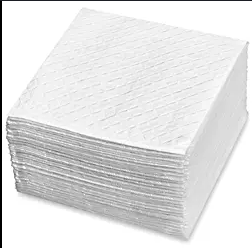
Picture this: I’m in the thick of what I call the “keeping them alive” phase of parenting three boys—Cub, Oz, and Wynn, my little whirlwinds of testosterone and poor impulse control. It’s not hyperbole. These kids have elevated “6-7” (you know, that endlessly clever knockoff of the world’s dumbest joke) to a kind of tribal chant. Say it once? Adorable. Twice? Tolerable. By the 47th time before breakfast, I’m wondering if the neighbors would hear a scream or just assume it’s the dog again. Being a boy mom isn’t for the faint of heart; it’s for those who’ve stared down a fart joke epidemic and lived to tell the tale. Poop? Fart? Endless variations on bodily functions? I’ve banned those words so often I sound like a malfunctioning parrot: “Quit saying it! Napkin! Napkin exists for a reason!”

And don’t get me started on selective hearing. You can deliver a State of the Union address about bedtime, and it bounces off them like rain on a raincoat—yet whisper “ice cream” from the next room, and they’re there faster than a Disney Lightning Lane Premier Pass holder. Dinner tables? Forget Norman Rockwell; ours is a spill zone of biblical proportions. Ketchup arcing through the air like a poorly aimed missile, milk pooling mysteriously under chairs—it’s inevitable, like taxes or that one sock vanishing in the dryer. The shirts? Always, always stained, not from heroic spills but from the casual genius of wiping grubby hands right across the chest, napkin be damned. I’ve done laundry loads that could fill a Laundromat, each one a testament to why paper towels were invented.

Then there’s the trail of abandoned gear—water bottles sprouting like mushrooms in every corner of town, jackets draped over bleachers from wrestling meets to soccer fields as if we’re auditioning for a lost-and-found world record. We’ve left behind more Owalas than a hydration influencer. It’s chaos, pure and operatic, the kind that would send a lesser soul fleeing for the hills. But here’s the magic: amid the “6-7” choruses and the perpetual crumbs, there’s this ferocious joy in it. These boys are my tornadoes, my glorious messes, and somehow, in the eye of the storm, I wouldn’t trade a single stained shirt for all the quiet in the world. Kind until 6-7 hits critical mass—then mama roars. Be kind out there, friends. Or at least napkin-adjacent.